What is burnout?
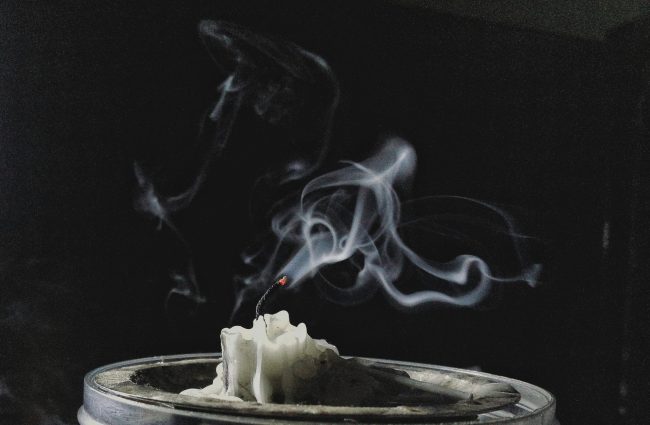
Burnout, just like its name suggests, can be imagined as a candle that has burned for too long. Whether it is blown out by harsh wind or gradually burned over time, the flame fades. What remains is the smoke, a sign of the spark once there is gone. It reflects a metaphor as our energy and motivation, often leave the burn-outs feeling drained and demotivated.
Definition
Herbert J. Freudenberger described in his article, Staff Burn-Out, the physical signs of burnout are easy to be noticed by the individuals themselves, which include exhaustion and fatigue, frequent headaches, gastrointestinal disturbances and sleep disturbances. Besides, some of the behavioural signs include getting angry easily, instantaneous irritation and frustration responses toward work-related activities or people at work.
In several researches, burnout is defined as a response to stress that develops progressively and might eventually become severe. It is considered as a developing condition, a progressive deterioration in the levels of commitment and engagement to the particular activity, evolving from enthusiasm to disinterest.

Why do work burnouts happen?
Work burnout is becoming more prevalent nowadays. When we talk about burnout, the first thing that came to mind is most likely “work overload”, which is a common factor of burnout, while there are more factors that worth our attention:
Mental Load
Emotional Labor is the effort put in self-regulating one’s emotions and showing desired emotions to meet the expectations of others. This often means displaying emotions that are considered appropriate or desirable, even when the emotions do not match how one truly feels. For example, having to remain polite and friendly to customers immediately after a stressful or heated interaction, which can be emotionally draining.
Cognitive Labor, on the other hand, is the mental effort, which may include thinking, organizing, planning, problem-solving and decision making. Tasks like replying emails, answering calls, attending to walk-in clients, processing in-coming requests at the same time, will place heavy demands on our attention.
When emotional labour and cognitive labour occur simultaneously, they lead to mental load. It is the pressure of managing tasks and emotions at the same time. Over time, this constant mental strain can become overwhelming and significantly contribute to burnout.
Unclear Responsibilities
Unclear responsibilities can cause ongoing confusion and frustration at work. When the workers are not given clear information about their role, tasks or expectations, they may experience role ambiguity. This makes it difficult to perform effectively to feel confident in one’s work. Besides, role conflict may also occur. It happens when expectations are high, but the information, guidance, or resources needed to meet those expectations are unclear or inconsistent. Over time, this lack of clarity can increase stress and emotional exhaustion.
Perception of Injustice
Justice! A sense of fairness is important in any workplace. Burnout is more likely to occur when employees perceive injustice, such as unequal treatment, excessive criticism, lack of recognition for effort, being underpaid and overworked without appropriate rewards. When individuals feel that their contributions are not valued or acknowledged, their motivation and engagement will gradually decline.
Imbalance Amount of Supervision
Excessive supervision, like micromanaging, can reduce a worker’s sense of autonomy and control. Autonomy is a key factor in job satisfaction and professional fulfillment, and when it is taken away, the risk of burnout increases. On the other hand, insufficient supervision can also lead to burnout, especially for new employees. Starting a job without adequate guidance, training, or support may result in confusion, self-doubt, and feelings of helplessness.This will increase the risk of burnout at an early stage and hence lead to higher employee turnover rate.
Underchallenged
While staying in a comfort zone may feel safe, work that becomes overly repetitive or monotonous can lead to boredom and emotional disengagement. When tasks lack challenge or opportunities for growth, employees may feel unmotivated and stagnant. Burnout does not only come from doing too much, it can also arise from doing too little that feels meaningful to an individual. Challenges that align with an individual’s skills and interests are important for maintaining motivation and a sense of purpose at work.
How does burnout affect us?
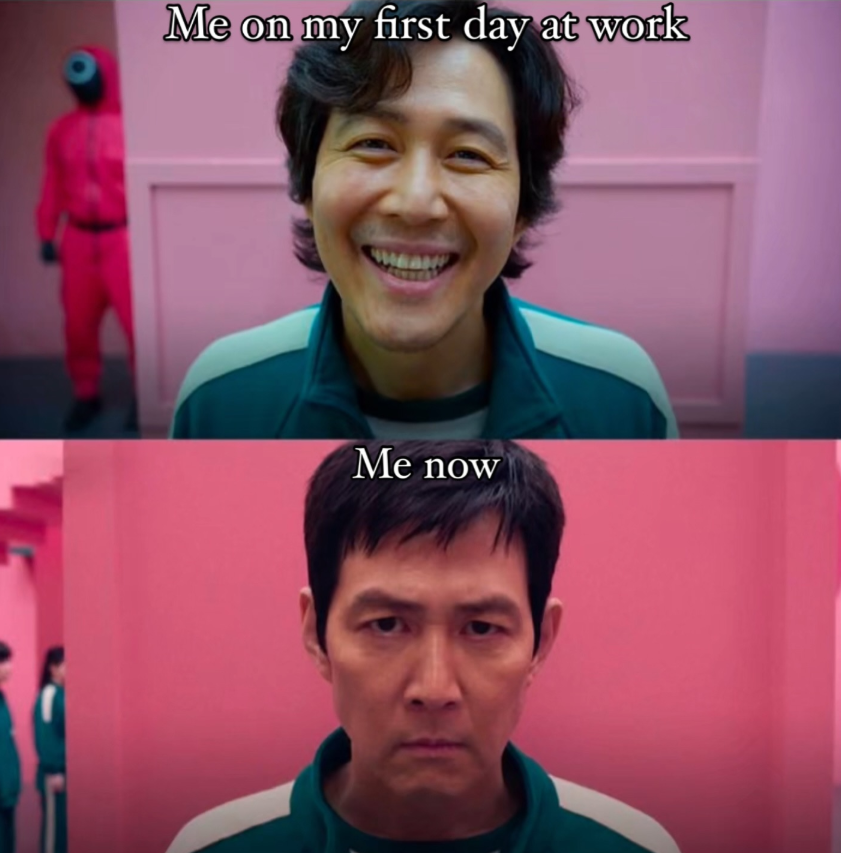
Burnout is more than simply feeling tired. It affects our thoughts, emotions, physical health, and behavior. Individuals experiencing burnout may struggle with concentration, decision-making, and stress management, while also feeling anxious, irritable, demotivated, or emotionally drained. Prolonged stress can lead to physical symptoms such as headaches, muscle pain, fatigue, sleep disturbances, and increased risk of health problems.
In the workplace, burnout is associated with low job satisfaction, reduced performance, absenteeism, and presenteeism, where employees are physically present but mentally disengaged. Burnout often develops gradually, progressing from mild fatigue to emotional exhaustion and detachment. Beyond the individual, burnout can lower team morale, increase conflict, reduce productivity, and create broader organizational consequences.
Tips to Reduce Stress that lead to Burnout
It may sound cruel but the truth is time does not stop moving. Although the world does not slow down for you when you’re exhausted, you should. Here’s a few tips to slow down your pace for yourself:

Release Pent Up Stress
There are ways to release stress and to restore energy, with two most common ways being sleep and exercise. Quality sleep has long proven to help with emotional regulation, it helps our body to regulate the stress hormones. Sleep can improve our concentration and increase resilience, making it easier to cope with demanding interactions and ongoing pressure at work. While light physical activities, such as walking and stretching can help to release tension, lower stress hormones and improve our mood.

Energy Management
Manage your energy, not just your time. Burnout is not always caused by poor time management, but it can also be caused by constant energy depletion. While time management is important, “energy management” is crucial to reduce our mental load. Having a to-do list that helps us note down what task we should attend to next can effectively help us to offload some of the stress that comes from mental load, as it helps us to not have to constantly think about what to do next by visualizing it on the list. One way to effectively write the to do list is to list down the tasks depending on the urgency of the tasks.

Stress reduction technique to regain sense of control
Unclear expectations, inadequate supervision, and perceived injustice can leave individuals feeling powerless. Simple stress-reduction techniques such as deep breathing, mindfulness, or short mental breaks can calm the nervous system and help restore a sense of control in stressful work environments.

Social support to counter isolation and emotional strain
Burnout often worsens when people feel alone in their struggles. Talking to trusted colleagues, friends, or family members helps process emotions, gain perspective and feel supported, especially in workplaces where supervision or guidance may be lacking.

Closing Thoughts
Burnout is not a sign of weakness, rather, it is a sign for you to have a break for prolonged stress. While the earth would not stop rotating, learning to pause and care for yourselves is an act of self-respect. If burnout starts to feel overwhelming, seeking professional support can be helpful.

We’re here when you’re ready
For further information, feel free to contact us at:
Contact Number: +6011-3344 5270
WhatsApp:http://wasap.my/+601133445270
Registration Form:https://bit.ly/mypsychregisterform