In this article 5 sections
You get the children to school, answer your messages and remember to buy rice on the way home. Then someone asks what you’d like for dinner and choosing feels like one job too many. The strange part is that anyone watching would say you’re doing fine. How do you explain low mood when you’re still doing everything people count on you to do?
A useful place to look is what happens after the things you have to do. When did you last put on music because you wanted to hear it? When a friend called, did you want to pick up? You may still be capable of doing a great deal while having very little energy or pleasure left for yourself. That change deserves attention in its own right.
What has changed between getting up and going to bed?
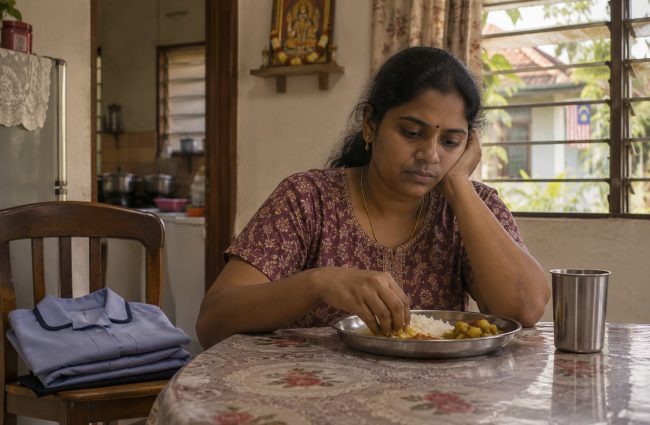
Compare an ordinary day now with an ordinary day a few months ago. Perhaps you used to send your sister a photo of something funny on the train. These days you make the same journey without noticing much. Or you still cook a meal for everyone but find you’re eating it alone at the sink because sitting down to talk feels like too much effort.
Notice the small things you do still look forward to as well. You might enjoy the ten minutes before the house wakes up, or find yourself laughing with one particular colleague. Those moments can help you explain the pattern more accurately. A good afternoon doesn’t cancel out a difficult fortnight. And having a hard week doesn’t tell you, on its own, what’s causing it.
People use different words for these experiences. You may say you feel sad. You might say you’re flat, easily irritated, or tired of having to decide everything. If “low mood” sounds too vague, try describing the part of your day you miss. “I used to enjoy playing with my niece, and lately I’m counting the minutes until I can go home” gives someone a real sense of what has changed.
Why getting things done can hide how hard the day feels
Work gives you a start time, a list and people waiting for you. At home the structure falls away. Choosing what to do with a free evening can take more energy than answering an email with a clear deadline. Someone may see you present confidently in a meeting and have no idea you sat in the car for twenty minutes afterwards, gathering the energy to drive home.
There are many possible contributors, including grief, ongoing strain, physical illness, disturbed sleep and depression. A professional can help you consider them in context. The World Health Organization’s overview of depression describes persistent low mood or reduced enjoyment alongside other changes such as sleep, energy and concentration. A checklist or a description online can only take you so far. Your own timing, circumstances and health matter.
Try one small change that belongs to you
Pick something that used to make a day feel like yours. Shrink it until it fits the energy you actually have. If you used to run with a friend, you could ask them to walk with you to the corner shop. If you miss cooking, choose a familiar dish and let someone else wash up. It helps to pick a time and a person in advance so you don’t have to make the whole decision again when you’re tired.
Afterwards, ask one gentle question. Was there any part of that I’d like to repeat? You may have enjoyed the company and found the walk too long. Next time, tea downstairs might fit better. If the outing felt flat, that is useful information you can mention when you ask for support. You haven’t failed an exercise because it didn’t cheer you up.
Another option is to let one person see a little more of the day. “I know I seem okay at work, but evenings have been hard. Would you have dinner with me on Wednesday?” gives a friend something concrete to respond to. You get to choose how much you share. Sometimes asking for company feels easier than trying to explain the whole picture at once.
When is it time to get help for low mood?
If the change is there most days for around two weeks, keeps returning, or already makes life hard to manage, speak with a doctor or a mental health professional. You can seek help sooner if you’re distressed. A family doctor is a sensible starting point if tiredness is new, you’ve had a change in medication, or you’re also noticing physical symptoms. If you feel at immediate risk of harming yourself, seek emergency care promptly and ask someone you trust to stay with you.
How MY Psychology can help
You can start an individual session with a description as ordinary as “I still get to work, but I don’t look forward to anything after it.” A clinical psychologist can explore when that changed, what uses up your energy, and which parts of your life still bring some relief. Together you can choose a first goal that means something to you, such as having enough energy for breakfast with a friend again.
If you’d like to know what that conversation involves, read about individual therapy at MY Psychology. When you’re ready, you can request a first appointment with just one example of a day that felt harder than it looked.